MACHINERY & MOULDS

Start with the product.
Build the right system.

From a single mould to a connected production line, we define the technical scope around what you need to make.

Illustrative configuration

01 / SOLUTION FAMILY

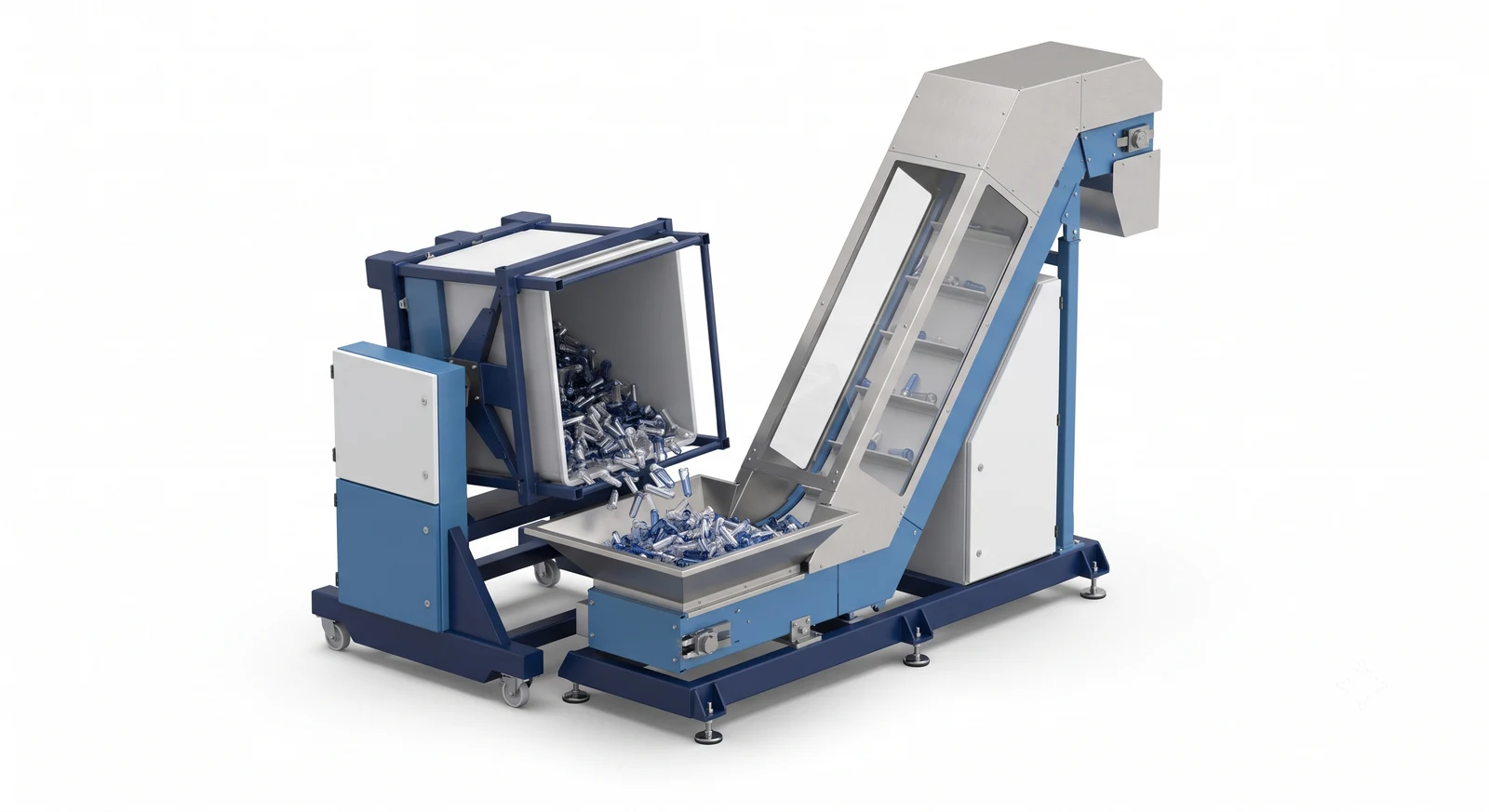
PET preform systems

Start with the preform weight, neck finish and required output. Build the machine, mould, material conditioning and cooling around that specification.

  • PET injection machines and high-cavitation moulds
  • Material preparation, take-out and post-mould cooling
  • Interfaces to preform handling and protected carton packing
A useful starting brief

Preform drawing · neck finish · weight · tonnes/day
Illustrative configuration

02 / SOLUTION FAMILY

PET bottle blowing

The bottle geometry and preform define the process. Match automatic blowing to the required format, handling method and downstream packing.

  • Automatic preform feeding and orientation
  • Heating, blowing and controlled bottle discharge
  • Integration with inspection, transfer and bottle packing
A useful starting brief

Bottle drawing · volume · preform · bottles/hour

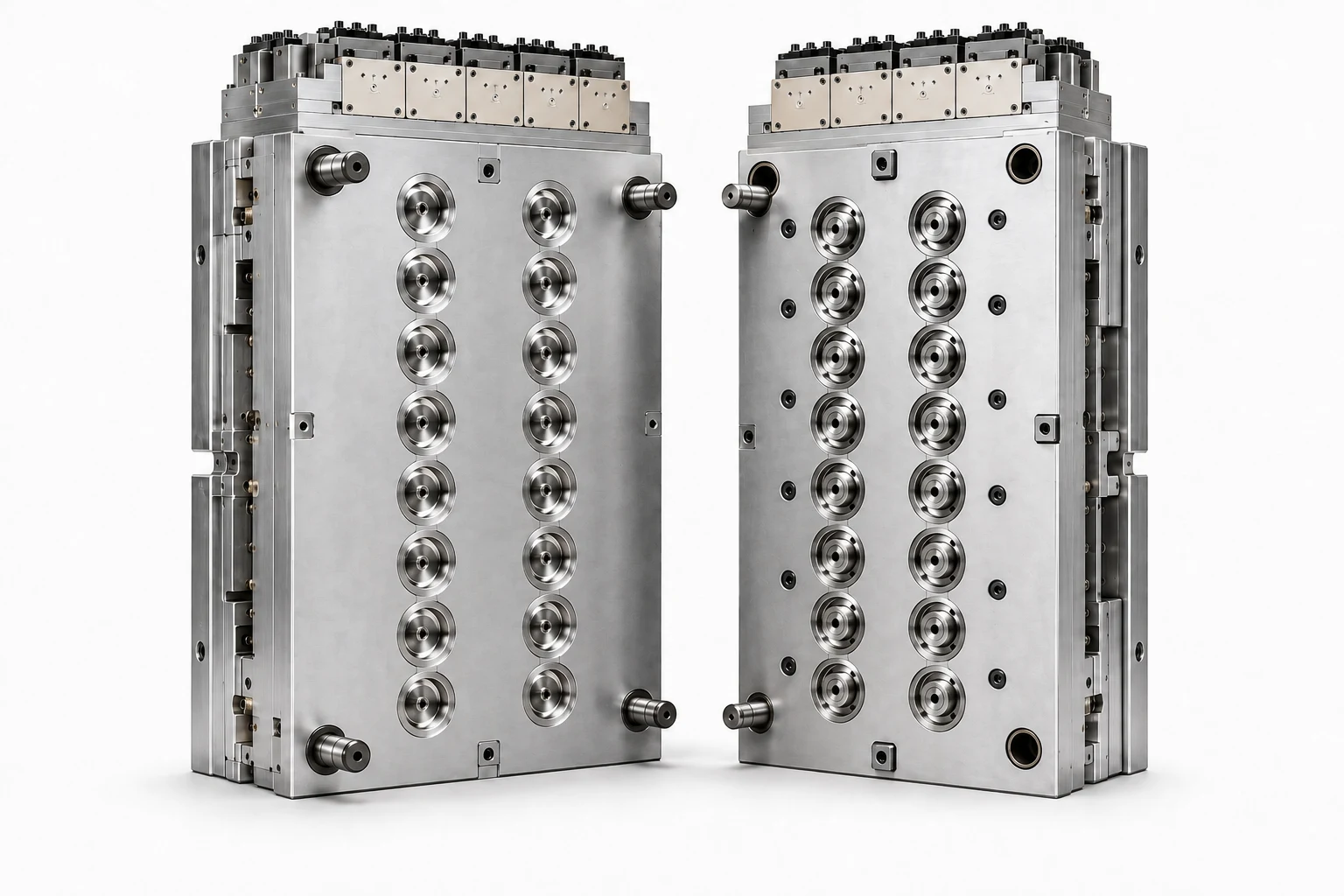
Upright multi-cavity closure mould
Illustrative configuration

03 / SOLUTION FAMILY

Caps, closures & moulds

A successful closure starts at the interface. Develop the thread, seal and tamper features together with the cavity layout and hot-runner system.

  • Closure, preform and packaging tooling
  • Cavity layouts and hot-runner selection
  • Tool and machine interface review
A useful starting brief

Product drawing · resin · neck or seal detail · annual demand

Illustrative configuration

04 / SOLUTION FAMILY

Thin-wall injection

Look at the complete container-and-lid family. Allocate machines and moulds around the product mix so the cell supports the whole range.

  • Container and lid injection cells
  • Matched multi-cavity tooling
  • Product-family capacity and changeover planning
A useful starting brief

Container & lid drawings · weights · material · product mix

Illustrative configuration

05 / SOLUTION FAMILY

End-of-line automation

Define the finished pack first. Then connect inspection, grouping, bagging or carton handling through to a stable pallet-ready load.

  • Bottle inspection and single-layer polybag packing
  • Carton erection, liner insertion and bag closing
  • Case sealing, strapping and robotic palletising
A useful starting brief

Incoming product · line rate · pack format · available floor area

Metal cage for handling and storing preforms
Illustrative configuration

06 / SOLUTION FAMILY

Return logistics & handling

The container must fit the load and the workflow. Specify metal cages and handling equipment around the product, access and return-logistics plan.

  • Foldable metal cages and product handling
  • Load, access and storage requirements
  • Interfaces with infeed and warehouse operations
A useful starting brief

Product · load · dimensions · stacking & handling needs

PLAN THE CONNECTIONS

The interfaces matter
as much as the equipment.

Transfer heights, line direction, manual loading, service access and the final pack all belong in the conversation before the line is ordered.

Example workflow: carton preparation → staging → manual loading → bag closing → case sealing → strapping → palletising.

START WITH YOUR PRODUCT

What do you want
to make next?

Tell us the product, target output and destination.
We’ll work from there.

Discuss your project